
Rheumatoid Arthritis and the Role of Physiotherapy
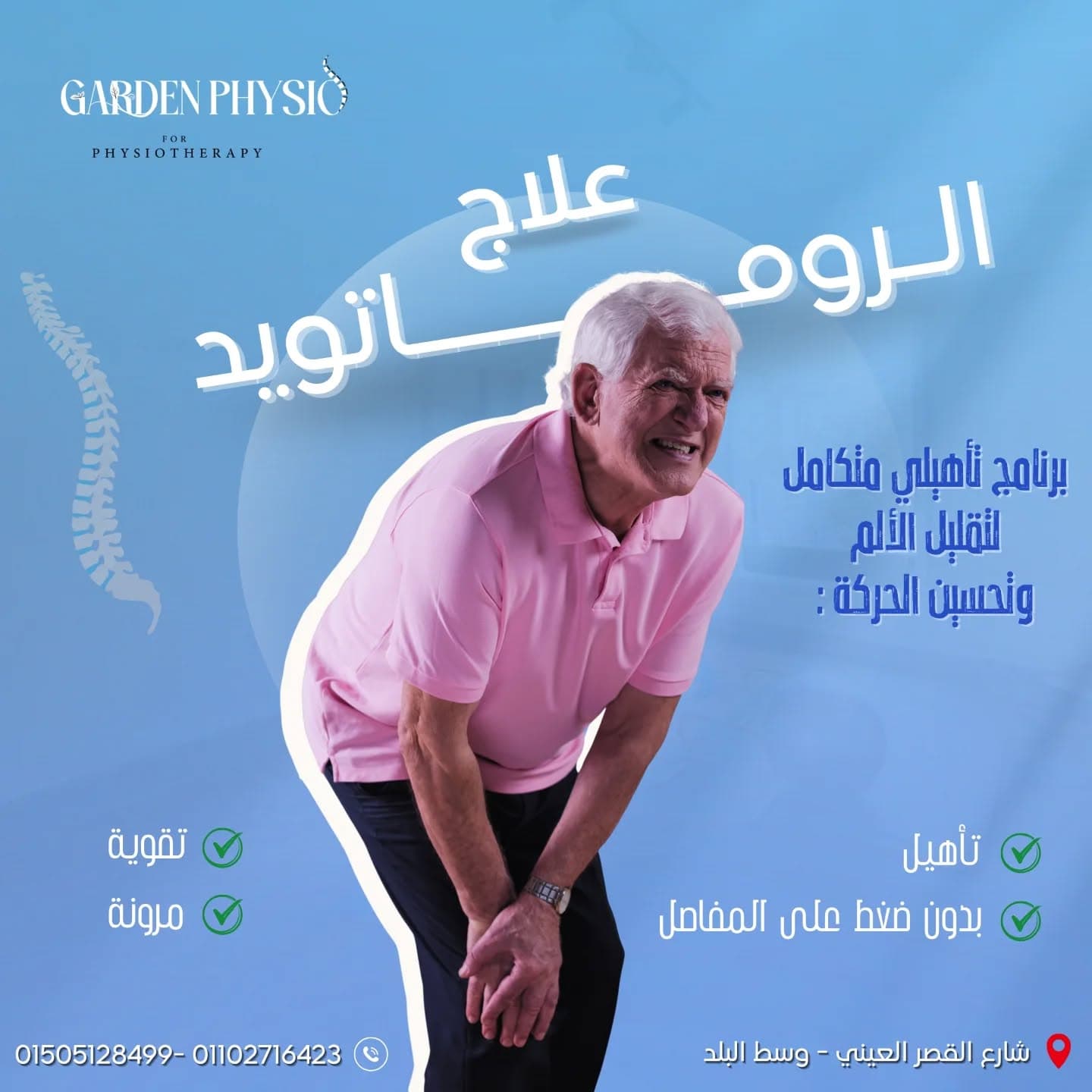
- Joint pain
- Swelling
- Morning stiffness
- Reduced joint function over time
- Hot or cold therapy depending on the stage
- Manual therapy to improve circulation
- TENS therapy to reduce pain signals
- Safe resistance exercises
- Light aerobic activities such as walking or cycling
- Reduce stiffness
- Maintain flexibility
- Improve daily function
- Reduce pressure on joints
- Improve flexibility
- Allow movement with less pain
Rheumatoid arthritis is not only treated with medication.
It is a long-term condition that requires comprehensive care, where physiotherapy plays an important role.
What Is Rheumatoid Arthritis?
Rheumatoid arthritis is a chronic autoimmune disease where the immune system mistakenly attacks the joints.
This can lead to:
Without proper management, it may affect mobility and daily activities.
How Physiotherapy Helps
Physiotherapy focuses on reducing pain and maintaining joint function while helping patients stay active.
Pain Relief
Pain management may include:
Strengthening Muscles
Strengthening surrounding muscles helps protect joints through:
Improving Joint Mobility
Range-of-motion exercises help:
Hydrotherapy
Exercises performed in warm water can help:
Living Better with Rheumatoid Arthritis
With a combination of medical care and physiotherapy, many patients can maintain mobility and improve their quality of life.
Regular exercise, joint protection, and proper guidance are key parts of long-term management.
You Might Also Like


Ready to Start Your Recovery?
Book your first consultation with our expert physiotherapists today.